Introduction to Kyambura Gorge
Kyambura Gorge—often called the “Valley of Apes”—is one of Uganda’s most extraordinary and visually striking natural wonders, renowned for its dramatic scenery, rich biodiversity, and unique population of habituated chimpanzees. Located on the eastern boundary of Queen Elizabeth National Park, this deep, forested gorge forms a hidden oasis of life carved into the savannah plains of the Rift Valley. Its mysterious atmosphere, lush vegetation, and rare wildlife encounters make it one of the most intriguing eco-systems in East Africa.
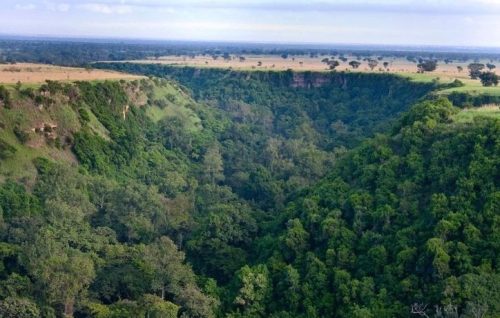
Stretching about 11 kilometers long and over 100 meters deep, Kyambura Gorge is a steep, rainforest-filled chasm formed by centuries of erosion from the Kyambura River. From above, the gorge appears as a striking green scar slicing through open grasslands; but once inside, visitors are enveloped in a cool, vibrant world of tangled vines, towering trees, and echoing bird calls. The contrast between the dry savannah above and the lush rainforest below makes Kyambura one of Uganda’s most scenic landscapes.
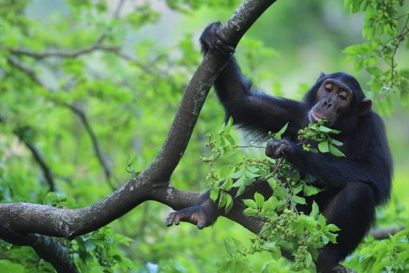
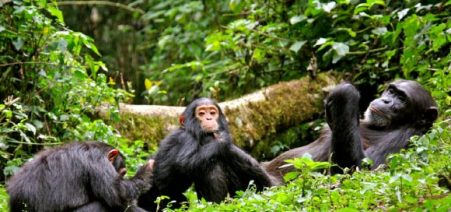
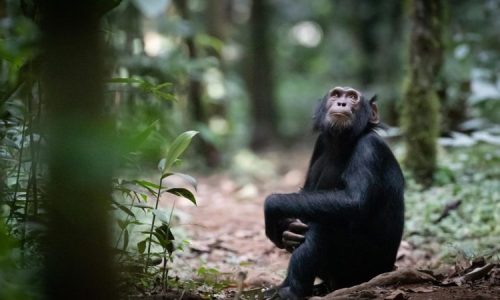
The gorge is famous for its community of chimpanzees, one of the few groups in Uganda that are fully habituated to human presence. Though small and isolated, this population has become an important symbol of primate conservation and ecological resilience. Guided chimpanzee tracking experiences take visitors deep into the forest, where they may witness chimps feeding, grooming, playing, or calling across the gorge. The intimate nature of these treks offers a profound connection with one of humanity’s closest relatives.
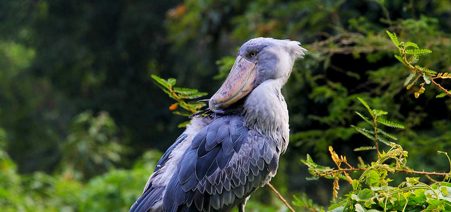
Beyond chimpanzees, Kyambura Gorge hosts an impressive array of wildlife. The dense forest shelters black-and-white colobus monkeys, red-tailed monkeys, vervet monkeys, baboons, and several small mammals. The river attracts hippos, while the surrounding vegetation supports giant forest hogs, antelopes, and other savannah species that occasionally descend into the gorge. Birdlife is outstanding, with species such as the African finfoot, blue-headed bee-eater, kingfishers, and numerous forest dwellers enriching the area’s avian diversity.
Kyambura Gorge is not only a wildlife haven but also a site of ecological importance. It serves as a natural biodiversity corridor and a critical refuge for species isolated by habitat loss in the surrounding landscape. Conservation efforts—supported by Uganda Wildlife Authority and community-based programs—focus on restoring habitat, promoting sustainable tourism, and protecting the gorge’s fragile ecosystems.
Mysterious, breathtaking, and biologically rich, Kyambura Gorge offers one of Uganda’s most immersive and unforgettable nature experiences. Its blend of scenic beauty, primate tracking, and conservation significance makes it a standout destination within Queen Elizabeth National Park and an essential stop for travelers seeking a deeper connection with the wild.