Introduction to Hell’s Gate National Park
Hell’s Gate National Park is one of Kenya’s most scenic and unique protected areas, celebrated for its dramatic landscapes, adventurous activities, and abundant wildlife. Located in the Great Rift Valley, near Naivasha and approximately 90 kilometers from Nairobi, the park covers about 68 square kilometers of spectacular scenery. It is distinguished from other parks in Kenya by its accessibility, striking geological formations, and the opportunity it offers for close-up exploration on foot or by bicycle, rather than traditional game drives.
The park is renowned for its dramatic geological features, which include towering cliffs, gorges, massive rock towers, and deep ravines. These formations were created over millennia by volcanic activity and tectonic forces, producing some of the most photogenic landscapes in East Africa. Fisher’s Tower, the Ol Njorowa Gorge, and the Hell’s Gate Gorge itself are among the park’s most iconic landmarks, attracting climbers, hikers, and photographers alike. The park’s unique topography and natural beauty have even inspired scenes from international films, including Disney’s The Lion King.

Despite its relatively small size, Hell’s Gate supports a diverse array of wildlife, including buffaloes, zebras, giraffes, hartebeests, elands, Thomson’s gazelles, and baboons. Predators such as lions, leopards, and hyenas are rare due to the park’s open landscapes and proximity to human settlements, but the presence of abundant herbivores ensures a thriving ecosystem. The park’s rivers, gorges, and geothermal springs support smaller mammals, reptiles, and a remarkable variety of bird species, with over 100 species of birds recorded, including vultures, eagles, and sunbirds.
Hell’s Gate is particularly famous for its active adventure tourism opportunities. Unlike most Kenyan parks where vehicle safaris dominate, visitors can hike, rock climb, abseil, cycle, or explore caves and gorges on foot. Guided walking safaris allow close encounters with wildlife and an immersive experience of the park’s rugged terrain. The park also offers geothermal attractions such as hot springs and natural steam vents, showcasing the volcanic activity that shaped the landscape.
The park’s location within the Rift Valley gives it ecological and hydrological importance, serving as a corridor for wildlife moving between surrounding conservancies and the nearby Lake Naivasha ecosystem. Its proximity to Naivasha town and other Rift Valley attractions makes it an ideal destination for both day trips and extended explorations.
Hell’s Gate National Park is a unique blend of natural beauty, adventure, and wildlife. Its towering cliffs, deep gorges, and open savannahs, combined with hiking, climbing, and cycling opportunities, offer a one-of-a-kind safari experience. It stands as a testament to the diverse landscapes of Kenya and provides travelers with an unforgettable combination of scenery, wildlife, and adventure.
Introduction to Lake Naivasha
Lake Naivasha is one of Kenya’s most beautiful and ecologically rich freshwater lakes, renowned for its serene landscapes, abundant wildlife, and vibrant birdlife. Located in the Great Rift Valley at an elevation of about 1,884 meters, the lake is fed by underground springs and seasonal rivers, creating a thriving ecosystem that supports both terrestrial and aquatic species. Its name is derived from the Maasai word “Nai’posha,” meaning rough water, a reference to sudden storms that occasionally sweep across its surface.
Surrounded by lush papyrus swamps, fever tree forests, and rolling hills, Lake Naivasha offers a striking natural setting teeming with life. The lake is famous for its large populations of hippos, often seen basking or wallowing close to the shoreline, and for the diverse wildlife that frequents its fringes, including giraffes, buffaloes, zebras, waterbucks, and colobus monkeys. The surrounding conservancies and private sanctuaries, such as Crescent Island Game Sanctuary, allow visitors to enjoy guided walking safaris among wild animals—an experience rare in many Kenyan parks.
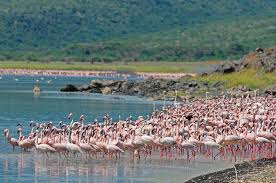
Birdlife is one of Lake Naivasha’s greatest attractions. With over 350 bird species, the lake is a paradise for ornithologists and photographers. African fish eagles, pelicans, herons, kingfishers, and countless migrant species thrive in the wetlands and forested areas. The symphony of bird calls creates a peaceful ambiance that defines the Naivasha experience.
Beyond wildlife, the region holds significant ecological and economic importance. The fertile soils and access to water have fostered a flourishing floriculture industry, making Naivasha a major hub for flower farming in East Africa. Despite modern development, the lake remains a vital conservation area, with ongoing efforts to balance human activity, tourism, and ecosystem health.
Activities around Lake Naivasha cater to a wide variety of visitors. Boat safaris offer incredible close-up encounters with hippos and water birds; hiking trails and nature walks explore nearby volcanic features such as Mount Longonot; and day trips can include Hell’s Gate National Park, where visitors can cycle or walk among dramatic cliffs, geothermal formations, and wildlife.
Peaceful, scenic, and rich in biodiversity, Lake Naivasha is one of the Rift Valley’s most captivating destinations. Its mixture of wildlife, natural beauty, and recreational experiences makes it an essential stop for travelers seeking a refreshing and immersive escape into nature.
Introduction to Ol Pejeta Conservancy
Ol Pejeta Conservancy is one of East Africa’s most remarkable wildlife destinations—a pioneering model of conservation, community development, and sustainable tourism. Located on the Laikipia Plateau between the foothills of Mount Kenya and the Aberdare Ranges, this 360-square-kilometer conservancy stands out as one of Kenya’s most successful private wildlife sanctuaries. Its blend of rich biodiversity, groundbreaking wildlife protection programs, and authentic safari experiences makes it a jewel of the Kenyan safari circuit.
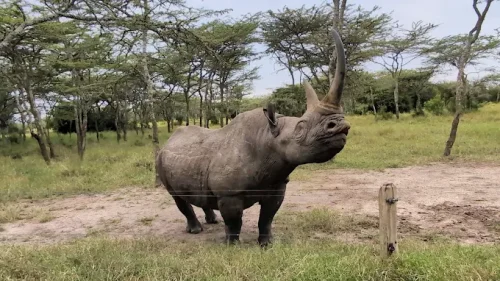
Ol Pejeta is globally renowned as the last refuge of the world’s two remaining northern white rhinos, a symbol of the urgent need for conservation innovation. It is also home to one of the largest populations of black rhinos in East Africa, protected through advanced security measures, wildlife monitoring, and anti-poaching units. The conservancy’s commitment to safeguarding endangered species extends to the Sweetwaters Chimpanzee Sanctuary, the only place in Kenya where visitors can observe rescued chimpanzees in a semi-wild environment. This sanctuary, established in partnership with the Jane Goodall Institute, provides lifelong care to chimps rescued from illegal wildlife trade and conflict zones.
The conservancy’s diverse landscapes—open savannahs, acacia woodlands, riverine thickets, marshes, and rolling grasslands—support an extraordinary abundance of wildlife. Visitors can encounter the Big Five (lion, leopard, elephant, buffalo, and rhino), alongside cheetahs, Grevy’s zebras, reticulated giraffes, hyenas, wild dogs, hippos, and a vibrant array of plains game. More than 300 bird species are recorded, making it a rewarding destination for bird lovers as well.
Ol Pejeta offers safari experiences that blend exclusivity and authenticity. From traditional game drives to horseback and cycling safaris, lion tracking, night drives, and behind-the-scenes conservation tours, the conservancy provides intimate encounters with wildlife and insight into ongoing research and protection efforts. Its carefully managed tourism ensures minimal environmental impact while generating revenue that directly benefits local communities through schools, healthcare facilities, water projects, and livelihoods programs.
With its strong conservation ethos, thriving wildlife populations, and immersive visitor experiences, Ol Pejeta Conservancy stands as a shining example of how tourism, wildlife protection, and community empowerment can coexist harmoniously. It remains a must-visit destination for travelers seeking meaningful, responsible, and unforgettable safari adventures in Kenya.
Introduction to Meru National Park
Meru National Park is one of Kenya’s most iconic and historically significant wildlife sanctuaries, celebrated for its rich biodiversity, vast landscapes, and the conservation success story of the famous “Big Five”. Located in northeastern Kenya, near the town of Meru and roughly 350 kilometers from Nairobi, the park spans approximately 870 square kilometers. Its remote location, diverse habitats, and open savannahs make it one of the country’s most authentic and less-visited safari destinations, offering a true wilderness experience.
Meru’s landscapes are a dramatic mosaic of open grasslands, acacia woodlands, riverine forests, and marshes, all shaped by the meandering Tana and River Tana tributaries. These varied habitats support a remarkable variety of wildlife and provide excellent opportunities for photography and nature appreciation. The park’s rivers and wetlands serve as lifelines for wildlife during the dry season and sustain an abundance of flora and fauna throughout the year.
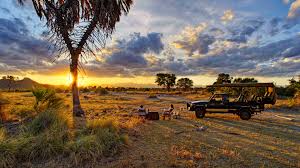
Meru National Park is renowned for its diverse wildlife population, which includes lions, leopards, cheetahs, elephants, buffaloes, giraffes, zebras, hippos, and various antelope species. The park holds special historical significance as the home of Elsa the Lioness, whose story was popularized in the book and film Born Free, highlighting Kenya’s wildlife conservation heritage. Today, the park is also a stronghold for endangered species such as African wild dogs, black rhinos, and Grevy’s zebras.
Birdlife in Meru is abundant, with over 400 species recorded, including raptors, waterbirds, and migratory species. The park’s rivers, swamps, and acacia woodlands provide excellent birdwatching opportunities for both casual and expert birders. Seasonal flooding creates lush grazing areas and attracts large herds of herbivores, ensuring excellent game viewing throughout the year.
Meru National Park is also notable for its remoteness and low tourist density, offering visitors a tranquil and immersive safari experience. The park is accessible by road and air, with several airstrips nearby for light aircraft. Accommodations range from luxury lodges to tented camps, strategically positioned along rivers and waterholes to maximize wildlife encounters.
With its combination of pristine wilderness, rich biodiversity, scenic landscapes, and conservation significance, Meru National Park stands as a testament to Kenya’s dedication to protecting its natural heritage. It offers travelers a chance to experience East Africa’s wild heart—untamed, expansive, and unforgettable.
How to Access Meru National Park
By Road
Meru National Park is accessible from Nairobi via a scenic road journey of approximately 350 kilometers, taking 6–7 hours depending on traffic and road conditions.
-
The most common route is Nairobi – Thika – Meru town – Murera Gate.
-
Roads are mostly tarmac up to Meru town, with gravel roads inside the park.
-
A 4×4 vehicle is highly recommended, especially during the rainy seasons when park roads can become muddy and slippery.
-
The drive passes through fertile farmlands, tea and coffee plantations, and offers impressive views of Mount Kenya.
By Air
For travelers seeking convenience and comfort, domestic flights are available:
-
Scheduled and charter flights operate from Wilson Airport (Nairobi) to nearby airstrips such as Mughwango, Kinna, and Mulika airstrips within or close to the park.
-
Flight time is approximately 1 hour, followed by a short transfer to lodges or camps.
-
Flying is ideal for visitors on short safaris or those combining Meru with other remote parks.
By Tour Operators
Most visitors access Meru National Park through organized safari operators, who arrange transport, park entry, and accommodation. This option is especially recommended for first-time visitors, as guides are familiar with park routes, wildlife movement, and safety protocols.
Best Seasons to Visit Meru National Park
Meru National Park experiences a semi-arid climate with two rainy seasons and two dry seasons. Each period offers a different safari experience.
Dry Seasons (Best for Wildlife Viewing)
June to October and January to February are considered the best times to visit.
-
Wildlife congregates around rivers and permanent water sources, making animal sightings easier and more frequent.
-
Vegetation is thinner, improving visibility for predators such as lions, cheetahs, and leopards.
-
Roads are dry and more accessible, ensuring smoother game drives.
-
These months offer excellent conditions for photography and extended safari activities.
Wet Seasons (Lush Landscapes & Birding)
March to May (long rains) and November to December (short rains) bring greener landscapes.
-
The park becomes beautifully lush, with blooming vegetation and flowing rivers.
-
Birdlife is exceptional, as migratory species arrive, making this an ideal period for birdwatching.
-
Some roads may become difficult to navigate due to mud, and wildlife can disperse into thicker vegetation, making sightings less predictable.
-
Fewer visitors during this period offer a more private and peaceful safari experience.
Additional Travel Tips
-
Temperatures are generally warm throughout the year, with cooler mornings and evenings.
-
Early morning and late afternoon game drives provide the best wildlife activity.
-
Advance booking is recommended during peak dry-season months, especially for flights and lodges.
Introduction to Aberdare National Park
Aberdare National Park is one of Kenya’s most enchanting and ecologically diverse protected areas, celebrated for its dramatic landscapes, pristine forests, and rich wildlife. Established in 1950, the park forms part of the Aberdare Mountain Range in central Kenya and spans an area of about 766 square kilometers. Unlike the classic savannah parks of East Africa, Aberdare National Park offers a completely different safari experience—one defined by mist-covered mountains, deep valleys, cascading waterfalls, alpine moorlands, and dense bamboo forests.
The park’s unique high-altitude environment creates a spectacular variety of habitats. Its lower slopes are cloaked in thick tropical and bamboo forests teeming with wildlife, while the upper regions open into vast moorlands dotted with giant lobelias and heathers. The Aberdares are also home to some of Kenya’s most impressive waterfalls, including Karuru Falls, a three-tiered cascade plunging over 270 meters, and Gura Falls, one of the country’s highest and most dramatic drops.
Aberdare National Park is renowned for its exceptional and often rare wildlife. Elephants, buffaloes, leopards, hyenas, bushbucks, giant forest hogs, and bongos—an elusive and endangered forest antelope—roam its thick vegetation. The park is also home to black rhinos and a large number of primates, including colobus and Sykes monkeys. Its montane habitats support over 290 bird species, making it a paradise for bird watchers, with species such as the Aberdare cisticola, crowned eagles, and various sunbirds thriving in the region.
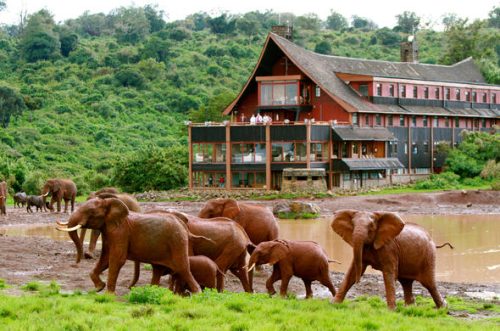
One of the park’s signature attractions is its unique lodge architecture, where iconic tree lodges like The Ark and Treetops Lodge overlook floodlit waterholes and salt licks. Guests can observe wildlife—especially elephants, buffalos, and hyenas—throughout the night from the comfort of their rooms or viewing decks. Treetops Lodge is also famous for being the place where Princess Elizabeth ascended to the British throne in 1952 after the passing of King George VI.
Aberdare National Park offers an array of activities beyond traditional game drives, including nature hikes, bird watching, trout fishing, and scenic drives through its misty mountain landscapes. The cool, refreshing climate and tranquil atmosphere make it an ideal retreat for travelers seeking a peaceful and immersive wilderness experience.
With its rugged beauty, diverse wildlife, rich history, and unique forested landscapes, Aberdare National Park stands as one of Kenya’s most magical destinations—a place where natural elegance and adventure blend seamlessly.
Introduction to Tsavo West National Park
Tsavo West National Park is one of Kenya’s most scenic and ecologically diverse protected areas, renowned for its dramatic landscapes, volcanic formations, and rich wildlife. Covering approximately 9,000 square kilometers, it forms the western half of the greater Tsavo ecosystem—one of the largest wildlife conservation areas in the world. Established in 1948, the park is celebrated for its rugged beauty, historic significance, and its remarkable balance of wilderness and natural attractions.
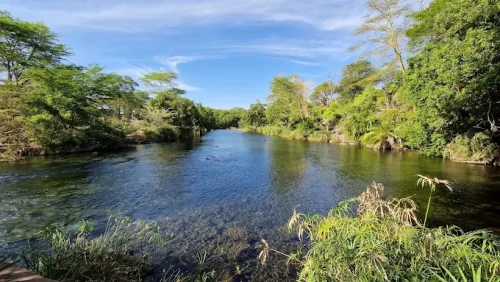
Unlike the open plains of Tsavo East, Tsavo West offers a strikingly varied terrain composed of rocky escarpments, rolling volcanic hills, lush oases, dense woodlands, and expansive lava fields that trace back to historic eruptions. The park’s crown jewel is the Mzima Springs, a breathtaking natural oasis fed by underground streams from the Chyulu Hills. Here, crystal-clear waters attract hippos, crocodiles, and countless bird species, offering one of the most tranquil and picturesque spots in the region.
A standout feature is the Shetani Lava Flow, an impressive expanse of black, hardened lava that stretches across the plains—a reminder of powerful volcanic forces that shaped the landscape centuries ago. Coupled with panoramic viewpoints such as Chaimu Crater and Poacher’s Lookout, Tsavo West provides awe-inspiring photographic opportunities at every turn.
Wildlife thrives across its diverse habitats, with elephants, buffaloes, giraffes, zebras, elands, and several species of antelope frequently encountered. The park is also known for its elusive leopards, as well as lions, cheetahs, hyenas, and a variety of smaller predators. The thick vegetation makes animal sightings more rewarding and adventurous compared to the open plains of Tsavo East. With over 400 bird species, including raptors, waterbirds, and migratory species, Tsavo West is also a paradise for bird lovers.
The park holds deep historical value, having been a key battleground during World War I and home to early explorers, railway builders, and conservationists. Today, it remains a symbol of Kenya’s rich natural heritage, offering visitors a blend of dramatic scenery, diverse wildlife, and peaceful wilderness.
Tsavo West National Park is ideal for travelers seeking a well-rounded safari—an immersive experience where adventure, landscape, and wildlife come together in one of East Africa’s most breathtaking natural environments.
How to Access Tsavo West National Park
Tsavo West National Park is located in southeastern Kenya, covering an area of approximately 9,000 km². Its central hub is Voi town, while other key access points include Mtito Andei and Mombasa Road (A109), making the park relatively easy to reach from both Nairobi and the coastal city of Mombasa.
1. From Nairobi:
-
By road: The most common route is via Nairobi–Mombasa Highway (A109), then turning off at Mtito Andei or Voi to reach the park’s main entrances. The drive is approximately 4–6 hours (approx. 300–350 km), depending on your entry point. The route passes through scenic countryside and semi-arid landscapes.
-
By air: Tsavo West has several small airstrips, including Voi Airport and Ngulia Lodge Airstrip, suitable for chartered flights from Nairobi. Flying is faster and ideal for luxury or time-sensitive safaris.
2. From Mombasa:
3. Gate Access Points:
-
Voi Gate: Convenient for those traveling from Mombasa or southern entry points.
-
Mtito Andei Gate: Ideal for travelers coming from Nairobi or central Kenya.
-
Mbuzi Gate: Near popular lodges such as Kilaguni Serena Safari Lodge.
Inside the park, most lodges and camps operate 4×4 safari vehicles due to rugged terrain, though some main roads are accessible to regular cars.
Best Seasons to Visit Tsavo West National Park
The climate of Tsavo West is semi-arid to savannah, with variable rainfall and temperatures ranging from 20°C to 32°C. The park can be visited year-round, but wildlife visibility and travel conditions vary with the seasons.
1. Dry Seasons (Best for Wildlife Viewing):
-
January to March and July to October are considered the dry months.
-
During these periods, water sources such as rivers, swamps, and dams shrink, concentrating wildlife around the remaining water points.
-
This makes it easier to spot elephants, lions, buffaloes, giraffes, and the rare black rhinos.
-
Roads are generally dry and accessible, reducing the risk of vehicles getting stuck in mud.
2. Rainy Seasons (Lush Scenery and Birding):
-
April to June (long rains) and November to December (short rains).
-
During the rainy season, the park becomes lush and green, with spectacular waterfalls, streams, and vegetation.
-
Wildlife may be more dispersed due to abundant water, making sightings less predictable.
-
Birdwatchers benefit from migratory species and nesting activities.
-
Road conditions can become challenging, requiring 4×4 vehicles.
3. Temperature Considerations:
Summary:
-
Best for wildlife spotting and photography: Dry seasons (Jan–Mar, Jul–Oct)
-
Best for lush landscapes, birdwatching, and fewer tourists: Rainy seasons (Apr–Jun, Nov–Dec)
Introduction to Tsavo East National Park
Tsavo East National Park is one of Kenya’s largest and most iconic wilderness areas, celebrated for its vast landscapes, rich wildlife, and dramatic history. Established in 1948, it forms part of the greater Tsavo Conservation Area—one of the world’s most important biodiversity strongholds. Covering over 13,700 square kilometers, Tsavo East is defined by its wide-open plains, rugged semi-arid terrain, and an overwhelming sense of untouched wilderness that evokes the true spirit of Africa.
The park is famously known for its large populations of red-dust elephants, which acquire a striking rusty color from rolling in the region’s iron-rich soils. These herds, often seen in massive numbers, create some of Tsavo’s most memorable and photogenic scenes. Tsavo East is also home to the legendary maleness lions of Tsavo, whose history dates back to the early 1900s and continues to fascinate wildlife enthusiasts.
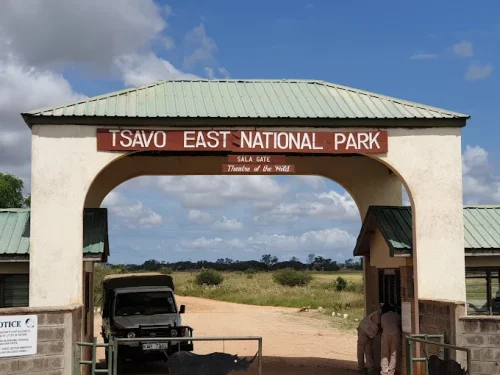
Its diverse habitats—savannahs, scrublands, seasonal rivers, and rocky outcrops—support an impressive array of wildlife, including buffaloes, zebras, giraffes, leopards, cheetahs, hyenas, hartebeests, and an abundance of plains game. The lifeline of the park, the Galana River, snakes through the landscape, attracting wildlife and creating lush riverine forests that contrast beautifully with the surrounding dry plains. Key scenic landmarks such as Lugard Falls, Yatta Plateau (the world’s longest lava flow), and Aruba Dam all enhance the park’s dramatic natural character.
Tsavo East is a haven for bird lovers as well, boasting over 500 recorded bird species, from impressive raptors to vibrant migratory species. Its vastness and raw beauty make it ideal for travelers seeking an authentic, less crowded safari experience.
With its sweeping horizons, historical significance, and exceptional wildlife encounters, Tsavo East National Park stands as one of Kenya’s greatest wilderness destinations—an enduring symbol of the country’s natural heritage and timeless charm.
Accessing Tsavo East National Park
1. By Road:
Tsavo East National Park is one of Kenya’s most accessible parks despite its vast size. It lies along the Mombasa-Nairobi highway (A109), about 260 km from Nairobi and 180 km from Mombasa, making it convenient for travelers from either city.
-
From Nairobi: The drive takes approximately 4–5 hours. Travelers follow the Nairobi–Mombasa highway and turn off near Voi town, which serves as a gateway to the park’s southern entrance.
-
From Mombasa: The drive takes around 3–4 hours, following the same highway northwards to Voi.
The main park gates are:
-
Voi Gate (Southern entrance): Most commonly used by visitors coming from Nairobi or Mombasa. Close to the Voi Safari Lodge and other lodges.
-
Mudanda Gate (Central/Northern entrance): Accessed from the Nairobi-Mombasa highway further north, convenient for visitors coming from Tsavo West or Amboseli.
-
Mbuzi Gate (Eastern side): Less frequented, often used by specialized tour groups or off-road safaris.
Most safari operators provide 4×4 vehicles, which are recommended due to the park’s rough and sometimes sandy tracks, especially during rainy seasons.
2. By Air:
For faster access, small aircraft can land at nearby airstrips:
-
Voi Airstrip: Approximately 25 km from the southern part of the park.
-
Mbololo Airstrip: Closer to the central region.
-
Mombasa International Airport (Moi International): About 180 km from the park for international travelers, followed by road transfer.
Chartered flights can reduce travel time significantly, offering scenic aerial views of the park and surrounding landscapes.
Best Seasons to Visit Tsavo East National Park
Tsavo East can be visited year-round, but wildlife visibility, road accessibility, and climate vary across seasons.
1. Dry Season (June – October and January – February):
-
Advantages:
-
Animals concentrate around water sources such as Mudanda Rock, Aruba Dam, and the Galana River, making wildlife spotting easier.
-
Roads and tracks are dry and more accessible, even for self-drive vehicles.
-
Bird activity is lower but some migratory species arrive during January–February.
-
Considerations:
2. Short Rainy Season (November – December):
-
Advantages:
-
The park becomes lush and green, offering beautiful landscapes and excellent photographic opportunities.
-
Fewer tourists, so game drives feel more private.
-
Considerations:
-
Tracks can become slippery or muddy, requiring 4×4 vehicles.
-
Wildlife may disperse more widely due to abundant water, making some sightings less predictable.
3. Long Rainy Season (March – May):
-
Advantages:
-
Considerations:
-
Roads can be challenging; some parts of the park may be inaccessible.
-
Hot spots for wildlife may be harder to reach, requiring experienced guides.
Summary:
The best time for classic game viewing in Tsavo East is during the dry seasons (June–October and January–February) when wildlife congregates near water. For photographers and nature lovers seeking lush scenery, the short rains (November–December) offer a stunning, less crowded experience. The long rains (March–May) are best suited for adventurous travelers prepared for rough roads and variable wildlife sightings.
Nairobi National Park stands as one of Africa’s most unique and extraordinary wildlife sanctuaries—an iconic reserve where untamed wilderness meets the energetic rhythm of a modern capital. Established in 1946 as Kenya’s first national park, it lies just seven kilometers south of Nairobi’s bustling city center, making it the only protected wildlife area in the world situated so close to a major urban hub. This incredible contrast of wild savannah plains rising against the backdrop of skyscrapers forms one of the most remarkable and widely photographed scenes in African conservation.
Covering approximately 117 square kilometers, Nairobi National Park is a thriving refuge for an impressive array of wildlife. Its open grasslands, acacia woodlands, and seasonal wetlands host over 100 mammal species, including large populations of black rhinos, lions, cheetahs, hyenas, buffaloes, giraffes, hippos, and diverse antelope species. It is also a premier birdwatching destination, with over 500 recorded bird species, ranging from Somali ostriches to various raptors and migratory birds.
The park plays a crucial role as a flagship model for urban conservation, demonstrating how wildlife and city life can coexist through strategic protection and community engagement. It is also home to the Nairobi Animal Orphanage and the David Sheldrick Wildlife Trust, where orphaned elephant and rhino calves are rehabilitated before release into the wild.
Visitors to Nairobi National Park enjoy exceptional game viewing, often comparable to that of larger, more remote parks, yet with unmatched convenience. Sunrise and sunset game drives offer dramatic encounters as predators hunt, grazers roam the plains, and birds circle the skies. Scenic viewpoints, picnic sites, walking trails, and historical landmarks enrich the experience.
Nairobi National Park is not only a gateway to Kenya’s safari circuit but also a living testament to the country’s enduring commitment to wildlife protection in a rapidly urbanizing world. It is a place where nature reminds all who visit that wilderness can still thrive at the heart of human development.
How to Access Nairobi National Park
Nairobi National Park is unique in being the only national park located within a major city, making it extremely convenient for travelers.
1. By Road (Most Common):
-
The park is located approximately 7 kilometers south of Nairobi city center. The drive from the central business district takes about 20–30 minutes via Lang’ata Road, depending on traffic.
-
Main Entrances:
-
Nairobi Wildlife Gate (Lang’ata Gate): The primary entry for tourists. It has park offices, visitor facilities, and is the starting point for most game drives.
-
South Gate: An alternative entry used mainly by private safari operators.
-
Private Vehicle: Visitors can drive their own cars. The park has clearly marked roads, parking areas, and game-viewing points.
-
Taxi or Ride-Sharing: Options like Uber or Bolt can drop you at the main gate. This is convenient for day trips.
-
Tour Operators: Many Nairobi-based tour companies offer full-day or half-day excursions, often including pickup and drop-off from hotels or the city center.
2. By Air:
-
Wilson Airport: Domestic charters and small aircraft can bring tourists from Nairobi or nearby airstrips to private lodges near the park.
-
Jomo Kenyatta International Airport: About 30–40 minutes by road, travelers can drive or use city transport to reach the park. The route passes through Nairobi suburbs such as Karen and Lang’ata.
3. Public Transport:
4. Recommended Route Tips:
-
Avoid peak traffic hours (7–9 AM and 4–6 PM) in Nairobi to reach the park faster.
-
Many tourists combine a visit to the park with nearby attractions such as the David Sheldrick Wildlife Trust, Giraffe Centre, or Karen Blixen Museum, all located within 10–15 minutes of the park.
Best Seasons to Visit Nairobi National Park
The park can be visited anytime of the year, but wildlife visibility and landscape conditions vary:
1. Dry Seasons – June to October & January to February:
-
Wildlife Concentration: Animals gather around rivers, waterholes, and the Nairobi Dam, making them easier to spot.
-
Better Visibility: Grass is shorter and less dense, which improves game-viewing and photography opportunities.
-
Best for Predators: Lions, cheetahs, and hyenas are more active and visible as they follow prey.
-
Tourist-Friendly Roads: Park roads are dry and easier to navigate, suitable for all vehicles.
2. Wet Seasons – March to May & November to December:
-
Lush Landscapes: Grasslands and vegetation become green, offering scenic beauty and vibrant photographic opportunities.
-
Water Abundance: Rivers and dams are full, sometimes dispersing wildlife and making sightings less predictable.
-
Road Conditions: Some dirt tracks may become muddy or slippery, especially in remote areas.
-
Bird Watching: Wet season attracts migratory birds, making it ideal for ornithologists.
Tips for Timing Your Visit:
-
First-time visitors seeking abundant wildlife should target the dry months (July–October).
-
Photographers and nature lovers who enjoy lush scenery may prefer wet months, especially if combined with early morning or late afternoon game drives.
-
Combine with City Attractions: Visiting during weekdays can help avoid congestion, as weekends tend to be busier with local visitors.
Lake Nakuru National Park is one of the best national parks in Kenya given that it has one of the Rift Valley soda Lakes i.e. Lake Nakuru. The park has 3 main gates and once you get into the park you will enjoy a wide variety of wildlife species and especially the Flamingoes which make the lake lool pink.
Lake Nakuru Kenya
The Park is located in the central part of Kenya on the floor of the great rift valley in the northwestern direction from Nairobi. This national park is characterized by woodlands as well as grasslands which act as habitat for the different wildlife species which can be seen during game viewing experiences in Lake Nakuru NP Kenya Wildlife Services manages Lake Nakuru as well as other national parks and national reserves in Kenya and is also in charge of the conservation of wildlife.
Lake Nakuru NP has beautiful scenery with attractions such as Lake Nakuru which the national park is known for, the rift valley escarpment. The landscape of this national park also consists of steep rocky escarpments, dense forests as well as hills which act as viewpoints during game watching experiences at this destination. This national park is also strategically located at a short distance from Nairobi which is the capital city of Kenya. Lake Nakuru park is also found close to Hells gate national park and Naivasha national park which makes it worth visiting. Soysambu Conservancy is also found on the south-eastern boundary of the national park.
Entry gates at this national park include the Nderit gate which is less used for entry, Lanet gate or the main entrance gate which is located not far from Nakuru town. Park entry fees for tourists visiting Lake Nakuru can be paid according to citizens, residents, and non-residents.
Forms of payment for park entry fees at Lake Nakuru park include Mpesa, visa card as well as direct deposits to the Kenya Wildlife Services bank account at any of the gates used to access the national park.
Activities in Lake Nakuru Park
Activities which tourists can engage in during their safaris to this destination include the following;

Game drives are among the ways of experiencing Lake Nakuru NP. These drives provide wildlife viewing experiences close to the wildlife species such as the white rhinos, leopards, lions, giraffes, hippos, impalas, waterbucks among others. These game drives take place at different times of day which provides unique experiences during safaris at this destination.
Bird watching is another interesting activity that is carried out in Lake Nakuru This is because of the various bird species which can be seen in the different birding spots around the national park.

Hiking is another activity that takes place in Lake Nakuru Kenya and it takes place as tourists visit the viewpoints around the national park.
Attractions in Lake Nakuru National Park
Lake Nakuru NP also has a number of attractions which include the following;
Lake Nakuru is one of the attractions which this national park is famous for. This is because of the large numbers of flamingos which can be seen along the shores of this lake. The lake is a shallow soda lake that attracts the flamingos to its alkaline shores as they feed on algae.
Many other bird species can also be seen at this lake which makes it a good birding spot and a birders haven to experience both the native and migratory birds.
The types of flamingos which can be seen at this lake are lesser and greater flamingos which flock the lake with their pink color. These flamingos can be seen from viewpoints around the national park such as baboon cliff and Lion hill.
Wildlife species of a variety can also be seen in Lake Nakuru NP despite its smaller size compared to other national parks and reserves around Kenya. The wildlife species which can be seen include waterbucks, white rhinos, black rhinos which can be seen in the woodlands, Rothschild giraffes, leopards, lions, cheetahs among others.
Bird species which can be seen in Lake Nakuru include both the migrant and native bird species such as the greater and lesser flamingos, African fish eagle, goliath heron, hammer kops, pied kingfishers, eagles, white pelicans, Hottentot teals, starlings, black winged lapwings, crab plovers, grey crowned cranes and many others.
Waterfalls in Lake Nakuru include Makalia waterfalls which is located in the southern part of the national park is a good spot for hikes as well as picnics for tourists as they explore the beautiful scenery and surroundings at this destination.
Viewpoints within the park provide good vantage spots to see the different wildlife species as well as other attractions within Lake Nakuru national park. some of the viewpoints include the baboon cliff, Makalia cliff among others.
Rivers that provide water to Lake Nakuru include the Njoro River, Makalia river, and Enderit river.
How to get to there
The Park can be accessed by different means which include the following;
By road, Lake Nakuru NP can be accessed by driving from Nairobi to the entry gates of the national park such as the main gate which is located near Nakuru town or using the Lanet gate from the Nairobi-Nakuru highway.
By air/ flight, tourists can use Naishi airstrip which is found in the southern part of the national park.
Accommodations around Lake Nakuru national park are categorized into luxury accommodations, midrange accommodations, and budget accommodations as well as camping. The accommodation facilities around this national park include Sarova lion hill lodge, Lake Nakuru Lodge, Lake Nakuru flamingo lodge, Merica hotel, Mbweha camp, Miali saba camp, Mirius guesthouse, Hotel waterbuck Nakuru among others.
Tourists can also opt for camping as an option of accommodation during their safaris and some of the campsites in Lake Nakuru NP include the following; Naishi campsite, Rhino campsite, Soysambu campsite, Kambi nyuki campsite, Makalia campsite among others. Experience the beautiful flamingos as well as a variety of wildlife during a safari to Lake Nakuru NP as you explore its different attractions.