Kafue National Park is Zambia’s largest and one of Africa’s most expansive wildlife reserves, covering an impressive 22,400 square kilometers. Established in 1950, it spans diverse ecosystems ranging from floodplains and woodlands to rivers and miombo forests, making it a haven for biodiversity and an unspoiled wilderness experience. The park is named after the Kafue River, which winds through it and provides vital water sources that sustain the park’s rich flora and fauna.
Kafue is less visited than other famous Zambian parks, such as South Luangwa, offering a sense of adventure and exclusivity for travelers seeking a more remote and intimate safari experience. Its vast landscapes are home to over 150 mammal species, including lions, leopards, cheetahs, African wild dogs, hyenas, and large herds of elephants, buffalo, and antelopes. Bird enthusiasts will also find over 500 bird species, ranging from the rare Pel’s fishing owl to the colorful Carmine bee-eater.
The park is divided into distinct areas, each with unique habitats:
-
Busanga Plains: A seasonal wetland area ideal for wildlife viewing, especially large herds of antelope and predators.
-
Liuwa Plain (partially connected): Known for its open grasslands and spectacular migrations of wildebeest and zebra.
-
Patchy woodlands and riverine areas: Perfect for spotting elephants, hippos, and crocodiles along the Kafue River.
Kafue National Park is accessible by road or small aircraft, with the main entry points at Chunga, Itezhi-Tezhi, and Namwala. The best time to visit is during the dry season (May to October) when animals gather around water sources, making game drives more productive. The wet season (November to April) transforms the park into a lush, green paradise, ideal for birding and photography, though some roads may become difficult to traverse.
Overall, Kafue offers a raw, authentic African safari experience, combining immense biodiversity with sweeping, untouched landscapes. Its sheer size, varied habitats, and relatively low visitor density make it a must-visit destination for serious wildlife enthusiasts and adventurers seeking Zambia’s wild heart.
How to Access Kafue National Park
By Air
Flying is the most convenient and time-efficient way to reach Kafue National Park.
-
Domestic Flights: Scheduled and charter flights operate from Kenneth Kaunda International Airport (Lusaka) to several airstrips near the park, including Busanga, Nanzhila, and Namwala airstrips.
-
Flight time from Lusaka is approximately 1–2 hours, depending on the airstrip.
-
Most safari lodges provide airport transfers, ensuring seamless access to camps deep within the park.
By Road
Kafue is accessible by road from Lusaka, though travel times are long due to the park’s vast size and some rough interior roads.
-
From Lusaka, the road distance is roughly 250–350 km to the main gates, depending on the sector visited (South, North, Busanga Plains, or Itezhi-Tezhi).
-
The journey takes 5–7 hours on tarred roads to the park boundary, with gravel and sandy roads inside the park.
-
A 4×4 vehicle is strongly recommended, especially for the Busanga Plains sector and during the rainy season.
-
Road trips offer a scenic route through Zambia’s rural landscapes, farmland, and wildlife viewing opportunities along the way.
By Tour Operator
-
Most visitors access Kafue via organized safari packages, which include flights, transfers, park entry, accommodation, and guided game drives.
-
This option is highly recommended for first-time visitors because it ensures access to the best wildlife areas and navigates the park’s challenging internal roads.
Best Seasons to Visit Kafue National Park
Kafue experiences a tropical savannah climate with distinct wet and dry seasons, influencing wildlife visibility, road conditions, and overall safari experience.
Dry Season – May to October
-
Considered the best time for game viewing.
-
Rivers, waterholes, and pans shrink, concentrating wildlife in predictable areas, making sightings easier.
-
Vegetation is sparser, improving visibility of predators, elephants, buffaloes, and antelopes.
-
Daytime temperatures are warm, and nights are cool, creating comfortable safari conditions.
-
Early morning and late afternoon game drives offer excellent photographic light.
Peak Wildlife Viewing – August to October
-
This is when animal densities near water sources are highest.
-
Walking safaris, boat safaris, and traditional game drives are at their best.
-
Accommodation fills up quickly, so advance booking is recommended.
Wet Season – November to April
-
Characterized by green landscapes, flowing rivers, and abundant birdlife.
-
The rains make some areas, especially Busanga Plains, difficult to access due to muddy or flooded roads.
-
Wildlife becomes more dispersed, but this is the best season for birdwatchers, with migratory species arriving in large numbers.
-
Lodges and bush camps remain open in most areas, though some remote sections close during peak rains.
Shoulder Seasons – May & November
-
Transitional months offer a balance of good wildlife viewing and fewer crowds.
-
Early May offers lush scenery at the tail end of rains, while November marks the start of the wet season.
Travel Tips
-
Bring lightweight, breathable clothing for daytime and warmer layers for cooler mornings and evenings.
-
Binoculars and cameras are essential for wildlife viewing and photography.
-
Reserve flights and accommodations early if traveling in the dry season for peak wildlife activity.
-
A 4×4 vehicle is essential for exploring remote sectors, especially if self-driving.
South Luangwa National Park
Introduction to South Luangwa National Park
Nestled in the northeastern corner of Zambia, South Luangwa National Park is one of Africa’s premier wildlife destinations. Famous for its stunning landscapes, rich biodiversity, and incredible safari experiences, South Luangwa offers visitors a true wilderness experience. Whether you’re interested in walking safaris, game drives, or birdwatching, this iconic park provides unmatched opportunities for wildlife enthusiasts.
Why Visit South Luangwa National Park?
-
Abundant Wildlife: The park is home to the “Big Five” (elephant, lion, buffalo, leopard, and rhinoceros), alongside many other species like giraffes, hippos, and over 400 bird species.
-
Exclusive Safari Experience: Known for its intimate safaris with fewer crowds, South Luangwa ensures a personalized experience, perfect for avid wildlife photographers and nature lovers.
-
Walking Safaris: South Luangwa is one of the few parks in Africa that offers the chance to explore the wilderness on foot, guided by expert rangers, allowing for a truly immersive experience in the heart of the African bush.
-
Leopard Sightings: The park is renowned for having one of the highest concentrations of leopards in the world, making it a prime destination for those keen on spotting these elusive big cats.
The Best Time to Visit South Luangwa
South Luangwa National Park is an all-year-round destination, but the dry season (May to October) is considered the best time to visit for game viewing. During this period, wildlife gathers around the remaining water sources, offering easy sightings of animals such as elephants, lions, and buffalo. The green season (November to April) is also an excellent time for birdwatching, as migratory birds flock to the park.
Safari Activities in South Luangwa
-
Game Drives: Take a traditional safari vehicle for an up-close look at the park’s wildlife, from elephants to lions. Early morning and late afternoon drives offer the best wildlife viewing opportunities.
-
Walking Safaris: South Luangwa is widely regarded as the birthplace of the walking safari, and it remains one of the most popular activities in the park. Accompanied by knowledgeable guides, you’ll traverse the African bush on foot and witness the ecosystem from a new perspective.
-
Night Drives: A thrilling way to spot nocturnal animals like leopards, hyenas, and civets. South Luangwa’s night drives are incredibly popular for experiencing the park’s after-dark wildlife activity.
-
Boat Safaris: Explore the Luangwa River on a boat and enjoy a unique view of wildlife as they come to drink and bathe along the riverbanks.
Wildlife in South Luangwa National Park
-
Elephants: South Luangwa is known for its massive herds of African elephants that roam the park, especially during the dry season.
-
Lions and Leopards: The park is famous for its lion and leopard populations, and sightings of these big cats are relatively frequent.
-
Buffalo and Wildebeest: The plains of South Luangwa are teeming with buffaloes, wildebeest, zebras, and giraffes, providing a rich environment for predators.
-
Birdlife: Over 400 bird species have been recorded in the park, making it a paradise for birdwatchers. Look out for African fish eagles, Lilac-breasted rollers, marabou storks, and many more.
How to Get to South Luangwa National Park
-
By Air: Mfuwe International Airport is the main gateway to the park, with flights available from Lusaka, Livingstone, and other major cities in Zambia. From the airport, it’s a short drive to most lodges.
-
By Road: The park is accessible by road, but due to the remote nature of the location, travel by air is recommended for convenience and speed.
Why South Luangwa National Park is Special
-
Uncrowded and Exclusive: Compared to other safari parks in Africa, South Luangwa is relatively uncrowded, allowing for intimate wildlife encounters and a peaceful experience in nature.
-
Expert Safari Guides: South Luangwa is home to some of the most experienced safari guides in the world, many of whom have been working in the park for years. Their knowledge of the park’s wildlife and ecosystems is invaluable to visitors.
-
Conservation Efforts: The park is managed by the Zambia Wildlife Authority (ZAWA) and conservation groups, ensuring that its wildlife remains protected and the natural habitat is preserved.
Conclusion
South Luangwa National Park offers an extraordinary wildlife experience that is perfect for safari enthusiasts, wildlife photographers, and nature lovers. With its walking safaris, abundant wildlife, and stunning landscapes, it’s no wonder that South Luangwa is one of Zambia’s most celebrated national parks. Whether you’re exploring the park by foot, vehicle, or boat, you’re guaranteed to experience an unforgettable adventure in one of Africa’s premier wilderness areas.
Lower Zambezi National Park
Introduction
Tucked away along the northern banks of the mighty Zambezi River, Lower Zambezi National Park is one of Zambia’s most spectacular and unspoiled safari destinations. Known for its raw beauty, incredible wildlife sightings, and serene riverscapes, this park offers a rare chance to experience Africa’s wilderness without the crowds. Whether you’re a seasoned safari-goer or a first-time explorer, Lower Zambezi promises an intimate and authentic encounter with nature.
Why Visit Lower Zambezi National Park?
-
Uncrowded safari destination with intimate wildlife encounters
-
Exceptional variety of safari activities – game drives, canoe safaris, walking safaris, and boat cruises
-
Scenic beauty along the Zambezi River and Muchinga Escarpment
-
Diverse wildlife including elephants, lions, hippos, leopards, and over 350 bird species
-
Eco-luxury lodges that promote conservation and support local communities
Top Activities in the Park
-
Canoe Safaris: Drift silently along the river channels, passing elephants and hippos at eye-level.
-
Boat Cruises: Relax with sunset views and spot wildlife on the riverbanks.
-
Walking Safaris: Led by expert guides, experience the African bush up close and personal.
-
Game Drives: Explore the park in open 4×4 vehicles for big game viewing.
-
Tiger Fishing: A thrilling catch-and-release activity for adventurous anglers.
-
Night Drives: Discover nocturnal wildlife including leopards, civets, and bush babies.
Wildlife You Can Expect to See
-
Large herds of elephants
-
Lions, leopards, and spotted hyenas
-
Buffalos, zebras, waterbuck, and impalas
-
Hippos and crocodiles basking on the riverbanks
-
Birdlife galore: African fish eagles, kingfishers, bee-eaters, and Pel’s fishing owl
Best Time to Visit Lower Zambezi
-
Dry Season (June–October): Best for game viewing as animals gather near the river.
-
Green Season (November–April): Lush scenery, excellent birding, fewer visitors—but some lodges close during this period.
Getting There
-
By Air: Fly from Lusaka to Royal Airstrip or Jeki Airstrip (light aircraft).
-
By Road: Long but scenic drive via Chirundu, best done in the dry season.
Community & Conservation
Lodges in Lower Zambezi work closely with surrounding communities, offering employment, education, and health support. Conservation organizations like Conservation Lower Zambezi (CLZ) lead anti-poaching efforts and wildlife protection programs, making your visit a contribution to preserving this fragile ecosystem.
Conclusion
Lower Zambezi National Park is a treasure trove of natural beauty and wild adventure. With fewer crowds, immersive safari experiences, and a commitment to sustainability, it’s a destination that leaves travelers with unforgettable memories—and a deep connection to Zambia’s wild heart.
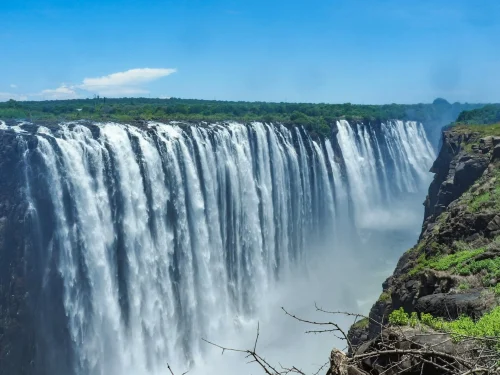 Named after the famous Scottish explorer and missionary Dr. David Livingstone, the town holds deep historical significance. It was once the colonial capital of Northern Rhodesia and remains a center of heritage, reflected in its preserved architecture, museums, and cultural landmarks. The Livingstone Museum, Zambia’s oldest and largest museum, showcases the region’s archaeological, ethnographic, and historical collections, offering insight into Zambia’s journey from ancient civilizations to independence.